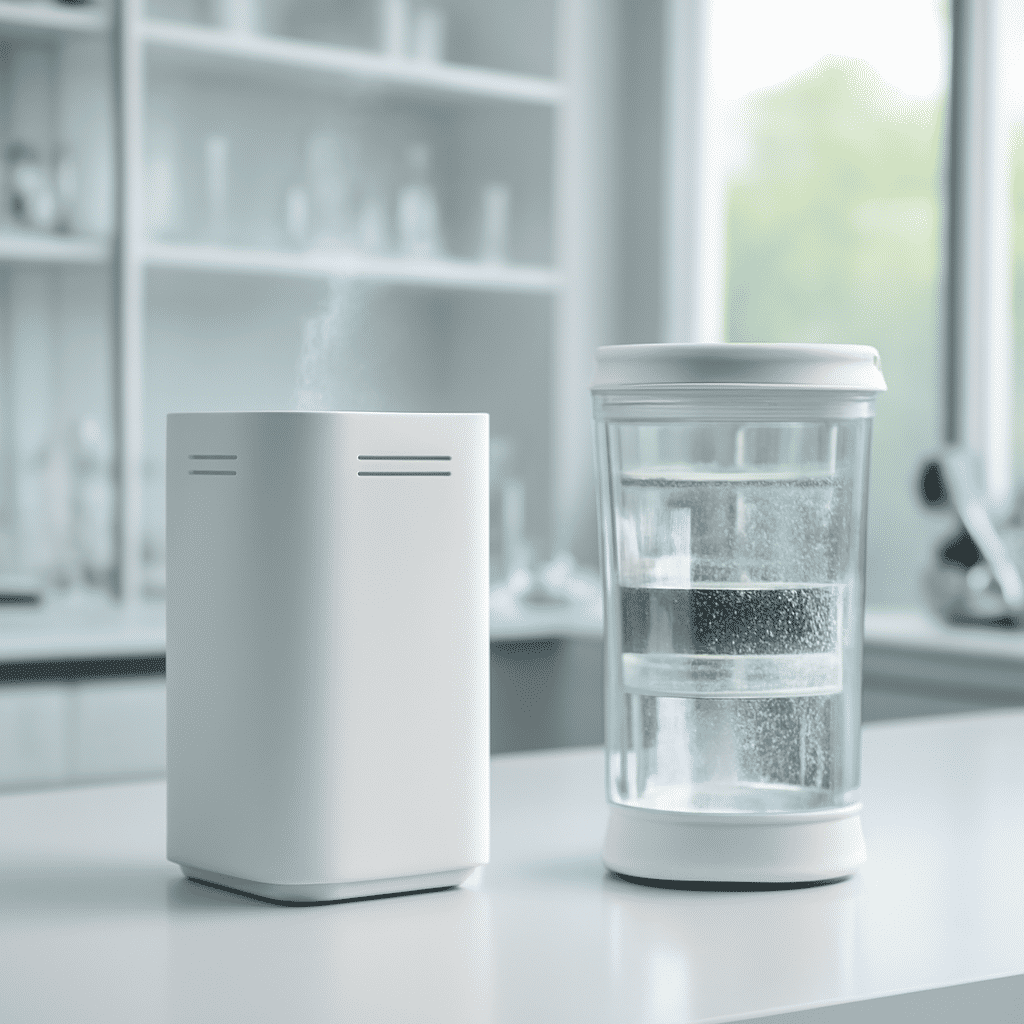
In recent years, the growing awareness of environmental issues has spurred a wave of innovation in the field of particle filtration, a crucial area for ensuring cleaner air and water. These technological advancements not only cater to ever-stricter environmental regulations but also promise significant contributions to safeguarding our planet for future generations.
One of the most promising innovations in this domain is the development of advanced air filtration systems designed to combat urban pollution. Traditional air filters, while effective to an extent, struggle to cope with the tiny particulate matter and harmful gases prevalent in modern urban environments. Newer filtration technologies employ cutting-edge materials such as graphene and nanofibers. These materials possess exceptional properties, including amplified surface areas and superior mechanical strength, allowing them to capture even the most minute and stubborn airborne particles effectively.
Graphene-based filters, for example, are at the forefront of this revolution. Due to its single-layer carbon structure, graphene provides an unmatched level of filtration at the molecular scale. This enables the filtering of pollutants like nitrogen dioxide and sulfur dioxide, which are notorious for causing respiratory issues and other health problems. Moreover, these advanced filters are economically advantageous, as they often last longer and require less frequent replacement compared to conventional filters.
On the aquatic front, similar strides have been made with water purification technologies. Researchers are focusing on innovating membranes capable of filtering out microplastics and harmful organic compounds from water sources. Membranes made from smart polymers are particularly notable, as they can adapt their properties based on environmental conditions, thereby optimizing filtration processes. These smart filters are designed to be self-cleaning and energy-efficient, addressing two critical shortcomings of existing water filtration systems.
Biotechnological approaches are also gaining traction, with researchers exploiting the potential of biofilms—a layer of microorganisms that can metabolize toxins and pollutants. Through genetic engineering, scientists are developing biofilms that efficiently target specific pollutants, offering a natural and sustainable method of filtration. Such bio-inspired systems are particularly suitable for wastewater treatment, enabling cleaner industrial discharges and protecting natural water habitats.
In addition to these scientific breakthroughs, the integration of smart technologies is enhancing filtration systems' efficiency and reliability. IoT-enabled sensors and AI algorithms are being employed to continuously monitor air and water quality, adjusting filtration processes dynamically to optimize performance. This not only maintains high filtration standards but also minimizes energy consumption, further supporting environmental conservation efforts.
Overall, the burgeoning field of innovative filtration technologies is poised to play a vital role in ameliorating the adverse impacts of urbanization and industrialization on the environment. These pioneering solutions provide a compelling glimpse into how science and technology can pivot towards more sustainable practices. As we continue to refine these technologies, the goal remains clear: to achieve a cleaner and healthier planet for all living creatures. Such advancements underline the profound capacity for human ingenuity to counteract environmental challenges, offering hope for a more sustainable future.